
Lead Scoring Explained: How to Prioritize High-Intent Buyers
Understand how lead scoring works, why it matters, and how businesses can prioritize high-intent buyers using demographic data, behavioral tracking, automation, and predictive scoring models.
Lead Scoring Explained: How to Prioritize High-Intent Buyers
Understand how lead scoring works, why it matters, and how businesses can prioritize high-intent buyers using demographic data, behavioral tracking, automation, and predictive scoring models.
Recognized By






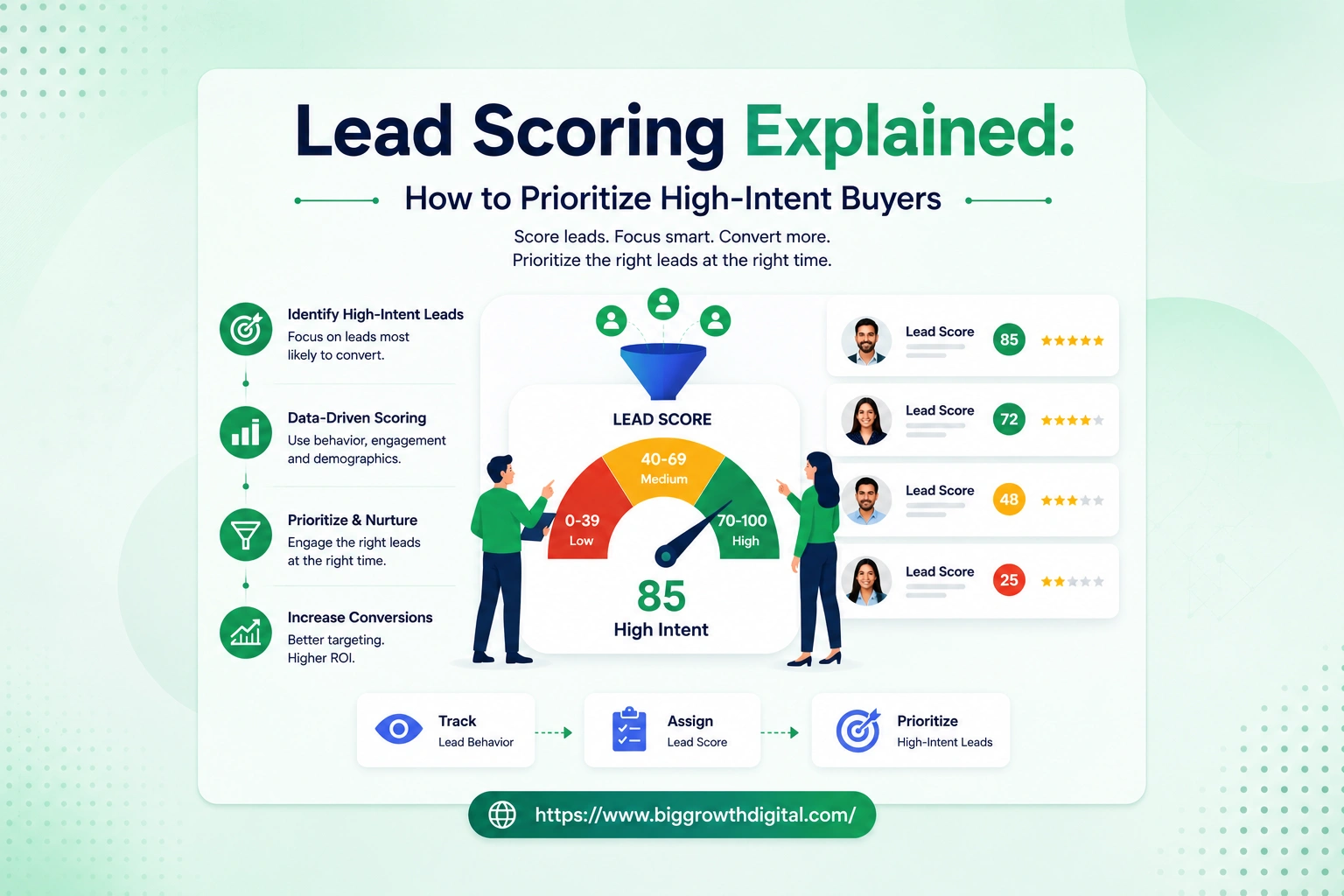
Have you ever wondered why some leads become customers while others disappear without ever making a purchase?
Generating leads is only half the battle. The real challenge for most businesses is identifying which leads are genuinely interested and which ones are unlikely to convert.
Not every person who downloads an eBook, signs up for a newsletter, or visits your website is ready to buy. Some users are simply researching, while others may never convert at all.
This is where lead scoring becomes extremely important.
A strong lead scoring system helps businesses identify high-intent buyers so sales teams can focus on qualified opportunities instead of wasting time on unqualified leads.
In today’s competitive digital landscape, companies that prioritize the right leads close deals faster, improve conversion rates, and create stronger alignment between sales and marketing teams.
This guide explains how lead scoring works, why it matters, and how businesses can use it effectively to improve lead qualification and revenue growth.
Lead scoring is a framework used to rank and prioritize leads based on how likely they are to become customers.
Businesses assign numerical values to leads depending on:
The higher the score, the greater the chances of conversion.
For example:
This process helps businesses focus resources on customers with high buying intent instead of treating every lead equally.
Without proper lead qualification, sales teams often waste time contacting prospects who are unlikely to buy.
This usually creates multiple problems:
Lead scoring solves this by creating a structured system for lead prioritization.
Marketing teams can nurture early-stage prospects, while sales teams focus on leads that demonstrate genuine purchase intent.
This becomes especially important in B2B lead scoring, where buying decisions are complex and involve multiple stakeholders.
When implemented correctly, lead scoring helps businesses:
An effective lead scoring model usually combines two major categories.
Demographic scoring measures whether a lead matches your Ideal Customer Profile (ICP).
Even if someone is highly engaged, they may still not be the right customer for your business.
Common demographic scoring factors include:
For example, a marketing director at a SaaS company may receive a higher score than a freelancer outside the target audience.
Fit scoring ensures businesses focus on leads that closely match their ideal customer profile.
Behavioral scoring tracks what users actually do.
It is considered one of the strongest indicators of buyer intent because actions often reveal more than demographics alone.
Examples of high-value actions include:
The stronger the intent signal, the higher the lead score.
For example:
Behavioral scoring helps businesses identify prospects actively moving toward a purchasing decision.
Once a scoring framework is established, businesses can begin identifying and prioritizing high-intent buyers more effectively.
Businesses should first analyze their existing successful customers before creating a lead scoring system.
Sales and marketing teams should identify common patterns such as:
This creates a strong foundation for accurate lead qualification.
Not every action deserves equal value because different activities indicate different levels of buying intent.
For example, reading a blog post may show general interest, while visiting a pricing page or requesting a demo indicates stronger purchase intent.
Example scoring model:
This helps businesses separate curious visitors from serious buyers.
One of the biggest benefits of lead scoring is distinguishing between Marketing Qualified Leads (MQLs) and Sales Qualified Leads (SQLs).
An MQL shows interest but may still require nurturing, while an SQL demonstrates stronger purchase intent and is ready for direct sales outreach.
For example:
Clear scoring thresholds improve communication between sales and marketing teams while ensuring faster follow-up for high-value opportunities.
Lead intent changes over time, which means scores should not remain static forever.
Time decay reduces scores for inactive leads to keep data accurate.
For example, if a lead does not interact with your business for 30 days, their score may automatically decrease by 25%.
This prevents outdated activity from making a lead appear more valuable than they actually are.
Manual lead tracking becomes difficult as businesses scale.
Modern CRM and marketing automation tools help businesses:
Automation improves accuracy while saving significant time for both sales and marketing teams.
Lead scoring is not a one-time setup. Businesses should continuously review and improve their scoring system as customer behavior and market trends evolve.
Businesses should review scoring rules regularly to identify:
Continuous optimization improves scoring accuracy over time.
Lead scoring becomes effective only when sales and marketing teams agree on what defines a valuable lead.
Both teams should align on:
Strong alignment improves lead quality and overall sales performance.
Not every activity indicates purchase intent.
For example:
Businesses should prioritize actions directly tied to buying behavior.
Modern businesses are increasingly adopting predictive lead scoring powered by AI and machine learning.
Instead of relying only on manual scoring rules, predictive models analyze large amounts of customer data to identify patterns associated with successful conversions.
Predictive lead scoring can help businesses:
As CRM platforms and marketing automation tools continue evolving, predictive lead scoring is becoming increasingly important for modern sales teams.
Many businesses overcomplicate lead scoring unnecessarily.
Common mistakes include:
The goal is to build a practical system that helps sales and marketing teams prioritize the right opportunities faster.
Q1. What is lead scoring in marketing?
Lead scoring is a method used to rank and prioritize leads based on their likelihood of becoming customers using demographic and behavioral data.
Q2. Why is lead scoring important?
Lead scoring helps businesses improve lead qualification, increase sales efficiency, and prioritize high-intent buyers more effectively.
Q3. What is the difference between MQL and SQL?
An MQL is a lead showing marketing engagement, while an SQL demonstrates stronger buying intent and is ready for direct sales interaction.
Q4. What are examples of high-intent buyer actions?
Visiting pricing pages, requesting demos, attending webinars, and downloading case studies are considered strong buying intent signals.
Q5. Can lead scoring be automated?
Yes. Modern CRM and marketing automation platforms can automatically track behavior, update lead scores, and trigger workflows in real time.
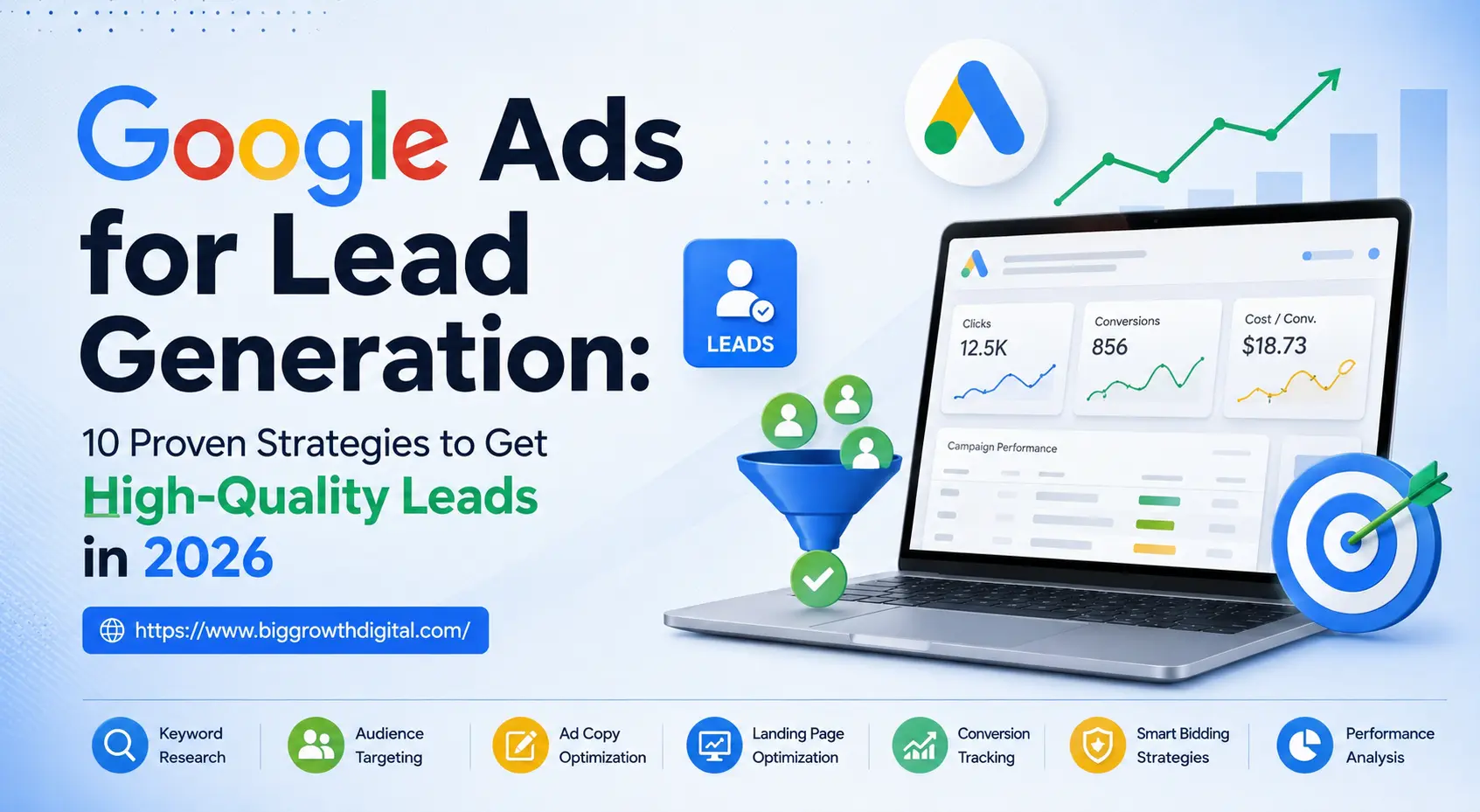
Discover 10 proven Google Ads lead generation strategies to improve conversions, reduce acquisition costs, optimize campaigns, and generate high-quality leads in 2026.
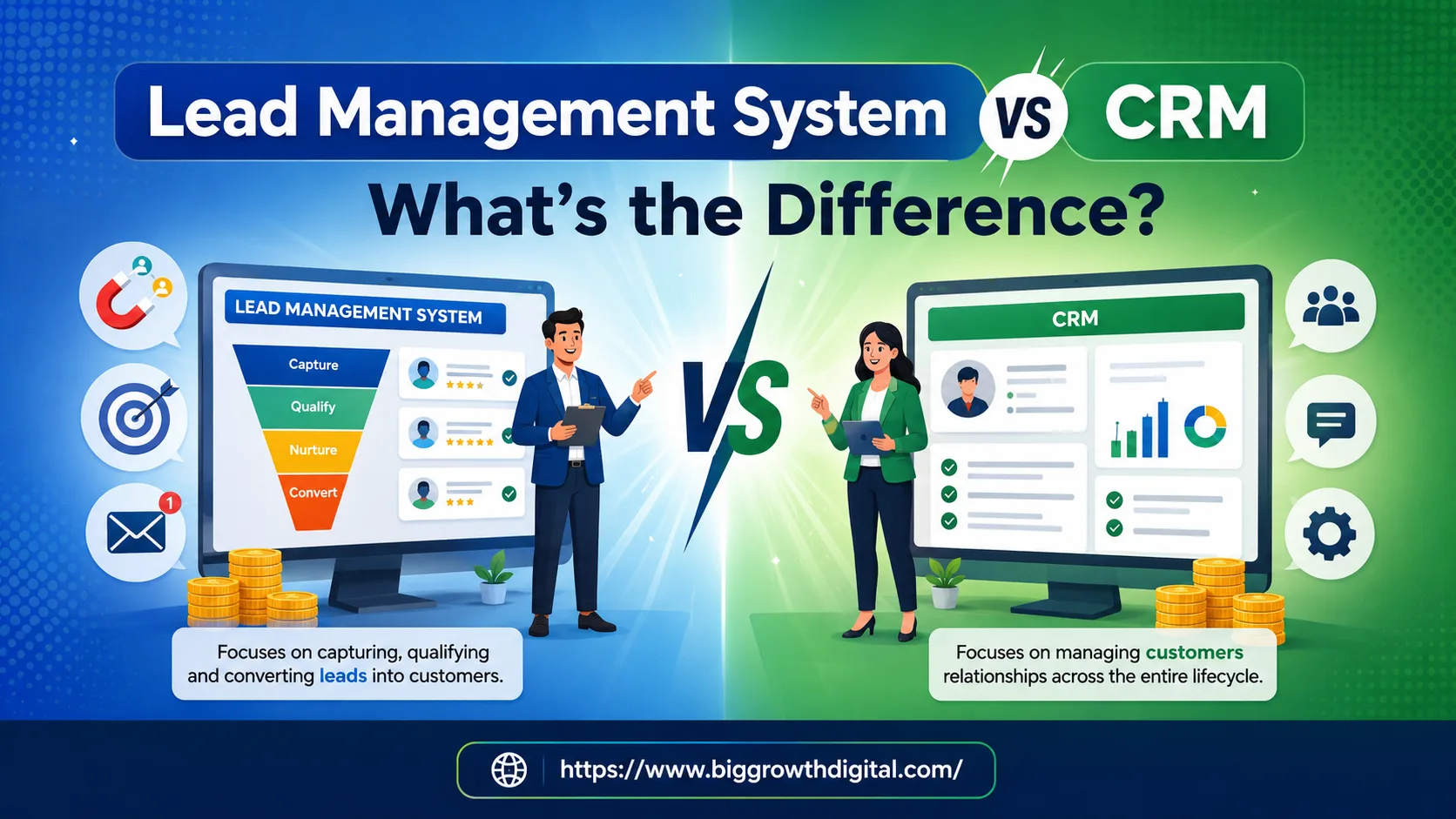
Understand the difference between lead management systems and CRM software, their benefits, use cases, and why businesses need both for better sales and customer management.
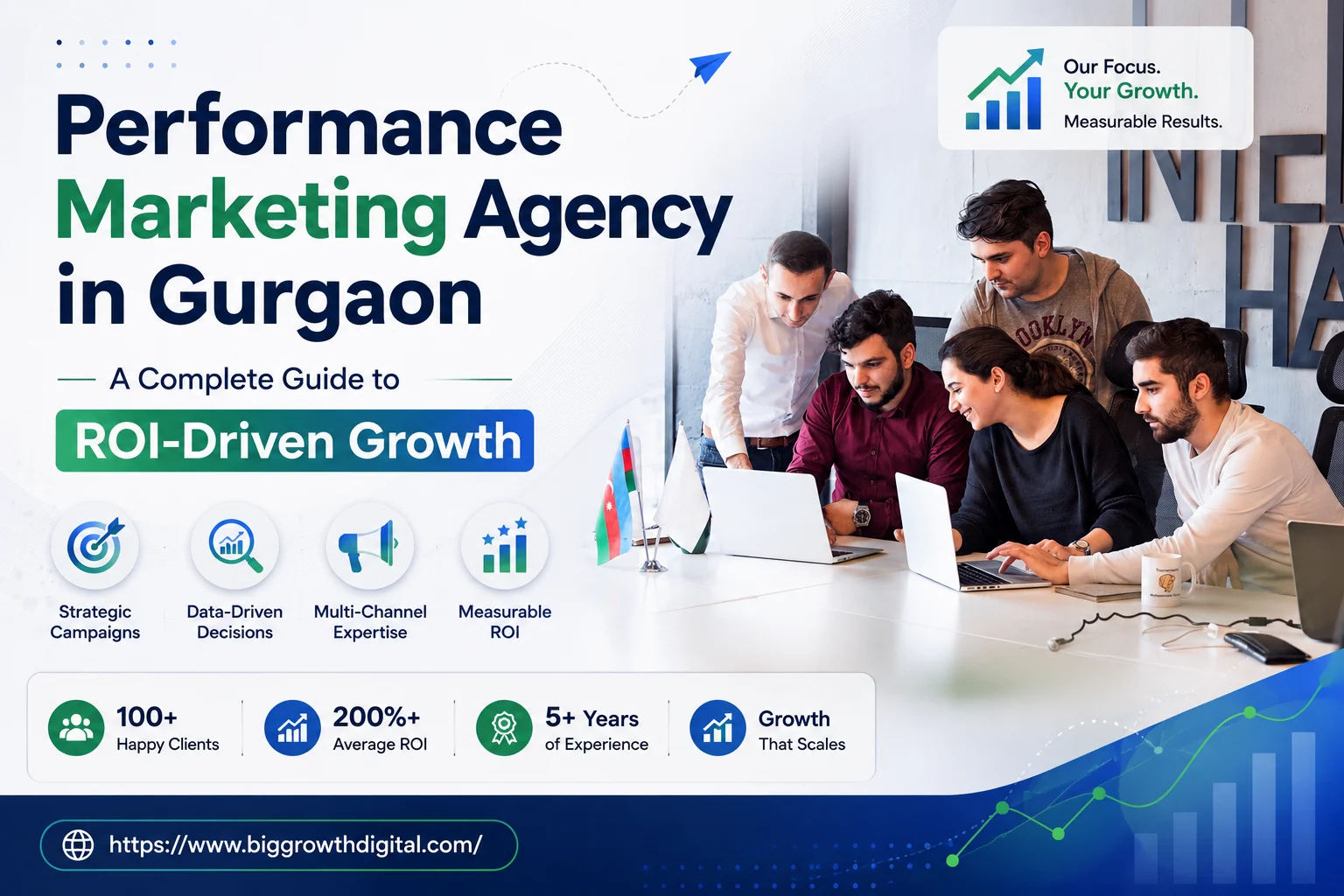
Learn how a performance marketing agency in Gurgaon helps businesses drive measurable ROI through PPC, SEO, CRO, analytics, and conversion-focused marketing strategies.
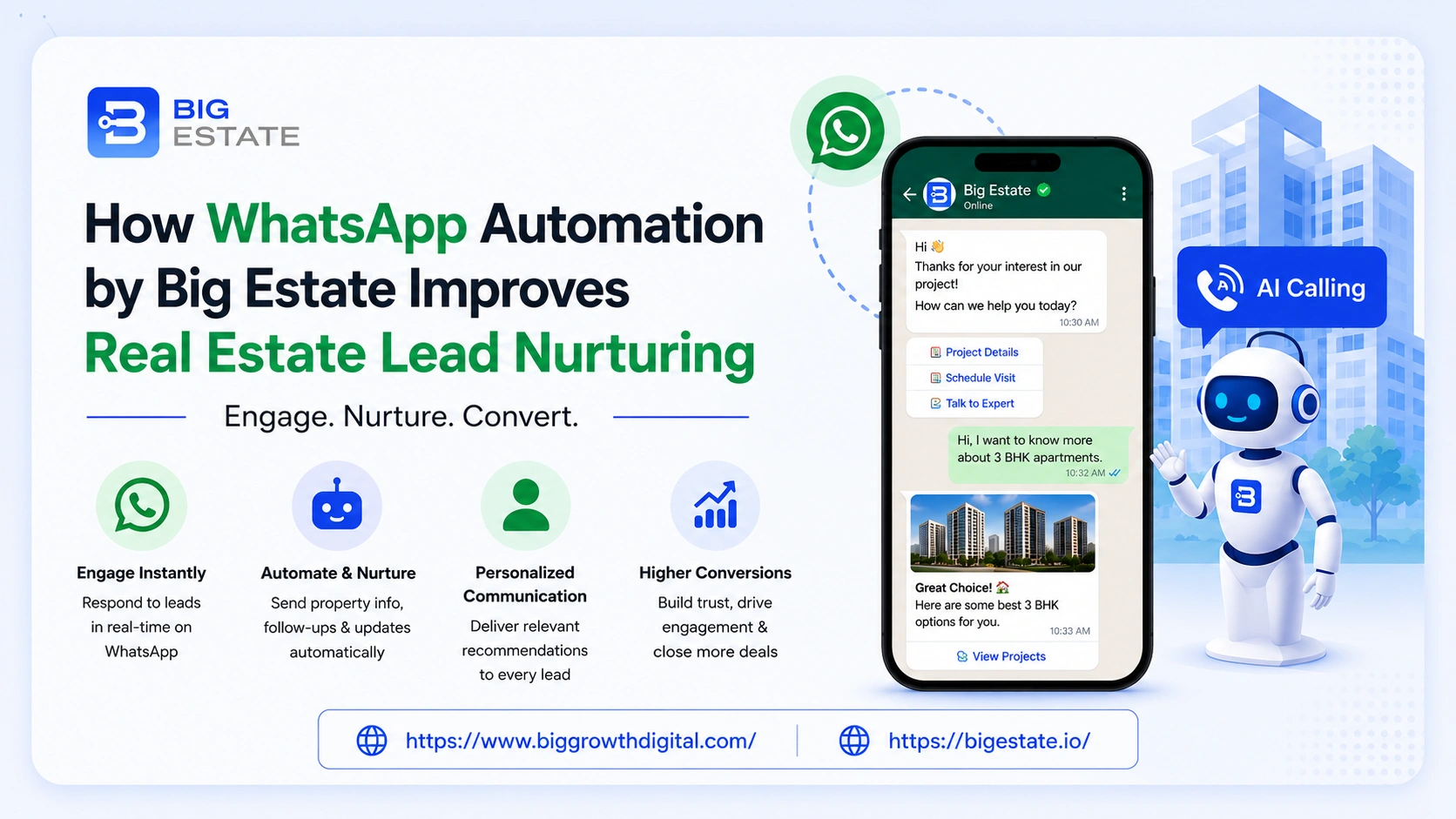
Discover how WhatsApp automation helps real estate companies improve lead nurturing, automate follow-ups, qualify leads, schedule site visits, and increase conversions through faster customer engagement.
Discover how AI is transforming real estate marketing through automation, predictive insights, and smarter lead generation — powering faster, more efficient campaigns.
.webp)
Explore how AI, automation, and data intelligence are redefining real estate marketing with smarter targeting, predictive analytics, and seamless automation.

Learn how CRM automation helps real estate teams convert faster by managing leads efficiently and ensuring no opportunity is missed.
.webp)